Giải Tiếng Anh 12 kết nối: Unit 8 Wildlife conservation
Hướng dẫn giải Tiếng Anh 12 kết nối tri thức: Giải Unit 8 Wildlife conservation. Bài được giải chi tiết, rõ ràng, dễ hiểu. Bài giải giúp học sinh nắm vững kiến thức trong sách giáo khoa, rèn kĩ năng giải bài tập và có phương pháp học tập hiệu quả.
Nội dung chi tiết
UNIT 8: Wildlife conservation
I. GETTING STARTED
At a rescue centre
1. Listen and read.
Ms Smith: Welcome to the Endangered Primate Rescue Centre!
If you have any questions during the tour, don't hesitate to ask me.
Mark: I've just seen a monkey in the enclosure. So are primates just monkeys, Ms Smith?
Ms Smith: No, primates are a group of mammals that includes not just monkeys, but also humans and apes.
Mark: What's the difference between apes and monkeys?
Ms Smith: Well, apes don't have tails and are larger than monkeys. Their brains are also larger. They're as good at using tools as they're at learning sign language.
Mai: So how many primates live here?
Ms Smith: The centre is home to more than 170 primates representing 14 species. They're housed in large enclosures.
Mark: I can hear some sounds. Is someone singing?
Ms Smith: We're close to the gibbons' enclosure, and the male and female gibbons are singing. Gibbons are the smallest of the apes, and all seven species are regarded as threatened. In fact, five of them are listed as critically endangered.
Mai: What is the main threat to gibbons?
Ms Smith: It's habitat loss due to deforestation and illegal hunting.
Poachers make a big profit out of selling gibbons as pets and for making traditional medicine and food.
Mai: So we can help gibbons if we stop keeping them as pets.
Ms Smith: That's right. Now let me show you Derek, the gibbon we rescued last week. He was locked in a cage for two years as an illegal pet.
Mai: Oh no, he's so thin.
Ms Smith: Yes. Gibbons can become ill or weak unless they're fed the right type of food. After examining Derek, our veterinarian also found head injuries. So we'll give him a suitable diet and monitor him for several weeks before we release him into the national park.
2. Read the conversation again and decide whether the statements are True (T) or False (F)
| T | F | |
| 1. Humans belong to the same group of mammals as apes and monkeys | ||
| 2. Apes can learn sign language, but can’t use tools | ||
| 3. Gibbons are endangered because they are the smallest of the apes. | ||
| 4. Derek's owner kept him in a cage and gave him the wrong type of food. |
Answer:
1. T (The text mentions “primates are a group of mammals that includes not just monkeys, but also humans and apes.”)
2. F (The text mentions “They're as good at using tools as they're at learning sign language.”)
3. F ( The text mentions the cause of endangered “It's habitat loss due to deforestation and illegal hunting.”)
4. T ( The text mentions “ Derek, the gibbon we rescued last week. He was locked in a cage for two years as an illegal pet” and “Gibbons can become ill or weak unless they're fed the right type of food.”
2. Match the words and phrases with their meanings.
| 1. threatened species | a. to watch and check something carefully over a period of time |
| 2. critically endangered species | b. plants and animals that are in danger of disappearing |
| 3. monitor | c. to let someone go free after having kept them somewhere |
| 4. release | d. plants and animals that are likely to become endangered in the near future |
Answer:
1. d - threatened species - plants and animals that are likely to become endangered in the near future
2. b - critically endangered species - plants and animals that are in danger of disappearing
3. a - monitor - to watch and check something carefully over a period of time
4. c - release - to let someone go free after having kept them somewhere
4. Complete the sentences using clauses from 1.
1. _________, don't hesitate to ask the guide.
2. Apes are as good at using tools ________.
3. We can help gibbons _________.
4. _______unless they're fed the right type of food.
Answer:
1. If you have any questions during the tour, don’t hesitate to ask
2. Apes are good at using tools as they’re at learning sign language
3. We can help gibbons if we stop keeping them as pets.
4. Gibbons can become ill or weak unless they’re fed the right type of food.
II. LANGUAGE
PRONUNCIATION
Assimilation
1. Listen and repeat the examples above. Pay attention to the highlighted
sounds.
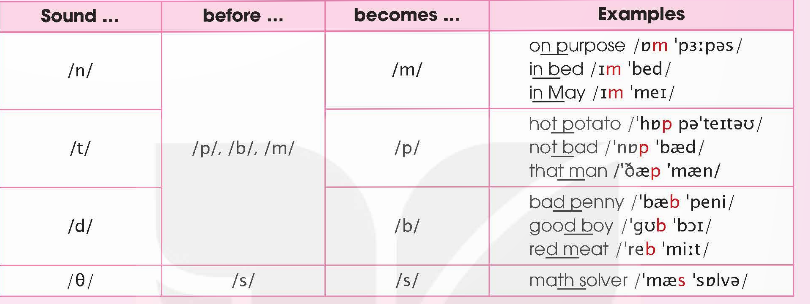
Answer:
Học sinh nghe và đọc lại theo băng, tập trung vào sự thay đổi trong từng cụm từ
2. Listen and underline the parts where assimilation occurs. Then practise
reading the sentences in pairs.
1. Apes are larger than monkeys.
2. If fed properly, the bear will recover soon.
3. Both species benefit from living together.
4. Ten percent of the world’s population was infected by the virus.
Answer:
1. Apes are larger than monkeys. /eɪps ɑː ˈlɑːʤə ðæm ˈmʌŋkiz./
2. If fed properly, the bear will recover soon. / ɪf fɛb ˈprɒpᵊli, ðə beə wɪl rɪˈkʌvə suːn./
3. Both species benefit from living together. /bəʊs ˈspiːʃiːz ˈbɛnɪfɪt frɒm ˈlɪvɪŋ təˈɡɛðə./
4. Ten percent of the world’s population was infected by the virus. / tɛm pəˈsɛnt ɒv ðə wɜːldz ˌpɒpjəˈleɪʃᵊn wɒz ɪnˈfɛktɪb baɪ ðə ˈvaɪərəs./
VOCABULARY
Conserving wildlife
1. Match the words with their meanings.
| 1. extinct (adj) | a. to continue to live or exist, usually despite difficulty or danger |
| 2. survive (v) | b. the situation in which a person or animal is kept somewhere and is not allowed to leave |
| 3. captivity (n) | c. to protect the natural environment |
| 4. conserve (v) | d. when a particular type of plant or animal stops existing |
| 5. rare (adj) | e. not common or frequent; very unusual |
Answer:
1. d - extinct: when a particular type of plant or animal stops existing
2. a - survive: to continue to live or exist, usually despite difficulty or danger
3. b - captivity: the situation in which a person or animal is kept somewhere and is not allowed to leave
4. c - conserve: to protect the natural environment
5. e - rare: not common or frequent; very unusual
2. Complete the sentences using the words in 1.
1. Wild animals need to live in their natural habitats in order to ______.
2. Many ______ animals are in urgent need of protection.
3. Scientists estimate that every day around 150 species become ______.
4. All the animals looked fit and healthy after being released from ______.
5. A new law has been introduced to ______ wildlife in the area.
Answer:
1. Wild animals need to live in their natural habitats in order to survive.
2. Many rare animals are in urgent need of protection.
3. Scientists estimate that every day around 150 species become extinct.
4. All the animals looked well after being released from captivity.
5. A new law has been introduced to conserve wildlife in the area.
GRAMMAR
Adverbial clauses of condition and comparison
1. Combine the sentences using adverbial clauses of condition or comparison. Use the conjunctions in brackets and make any necessary changes.
1. You must release the sea turtle into the sea. Otherwise, it will die soon. (if)
→
2. Raising people's awareness is important to preserve wildlife. Imposing strict laws is also important. (as... as)
→
3. We must stop poaching. Otherwise, many endangered species will become extinct. (unless)
→
4. A monkey is very intelligent. You may not think it is. (more ... than)
→
Answer:
1. You must release the sea turtle into the sea. Otherwise, it will die soon. (if)
→ If you don't release the sea turtle into the sea, it will die soon.
Structure: “If + S + V (thì hiện tại đơn), S + will + V (nguyên thể).”
2. Raising people's awareness is important to preserve wildlife. Imposing strict laws is also important. (as... as)
→ Raising people's awareness is as important to preserve wildlife as imposing strict laws.
Structure: “N1 + be + as + adj + as + N2.”
3. We must stop poaching. Otherwise, many endangered species will become extinct. (unless)
→ Unless we stop poaching, many endangered species will become extinct.
Structure: “Unless + S + V (thì hiện tại đơn), S + will + V (nguyên thể).” (nếu…không… thì…)
4. A monkey is very intelligent. You may not think it is. (more ... than)
→ A monkey is more intelligent than you may think.
Structure: “S + be + more + adj + than + mệnh đề.”
2. Work in pairs. Make sentences about endangered animals using adverbial
clauses of condition or comparison.
Example:
Punishment for hunting endangered animals is not as harsh as it should be.
If we don't protect giant pandas, they will soon become extinct.
Answer:
1. If we continue destroying their habitats, tigers will have nowhere left to live.
2. Unless stricter laws are enforced, illegal wildlife trade will keep driving species like the pangolin to the brink of extinction.
3. The survival chances of the Amur leopard are lower than those of any other big cat species.
III. READING
Wildlife conservation news
1. Work in pairs. Discuss the following questions.
Do you often read news stories about wildlife? If yes, what are they about?
Answer
Yes, I often read news stories about wildlife, which cover a range of topics. These stories frequently discuss conservation efforts aimed at protecting endangered species and their habitats, such as initiatives to save tigers and elephants. They also highlight issues related to illegal wildlife trade, habitat destruction due to human activities, and the impact of climate change on animal populations. Additionally, articles often feature scientific discoveries, rescue and rehabilitation efforts, human-wildlife conflicts, and new policies or legislation designed to safeguard wildlife. These reports help raise awareness about the pressing challenges facing wildlife and underscore the importance of conservation.
2. Read the news items and choose the most suitable headline for each one.
There are TWO extra headlines.
A. Plans to help coral reefs recover B. Sea turtle protection efforts supported by hundreds of volunteers C. The effect of diving activities on coral reefs D. Wildlife art exhibition to raise public awareness and funds E. Young wildlife artists to hold exhibition of vulnerable species |
WILDLIFE CONSERVATION NEWS
1. _______
More than 600 volunteers participated in sea turtle conservation activities held on Con Dao Island last week. Volunteers made sure that their spawning ground is safe. They also rescued turtle eggs and buried them in the sand. Sea turtles are threatened with extinction worldwide, and their populations have decreased dramatically in many places. That is why sea turtle conservation programmes are organised annually around the world. They attract many volunteers and help raise public awareness about the threats to sea turtle species.
2. _______
Local authorities are taking measures to restore the coral reef ecosystem in Nha Trang Bay. They will organise regular clean-ups of the seabed and removal of marine debris. Diving clubs will also help by having their professional divers collect broken pieces of coral, re-grow them in underwater nurseries, and then re-attach them to reefs. Coral cover is expected to increase, which will help restore natural habitats and promote marine biodiversity in the bay. In addition, the bay's management board will also monitor the number of swimmers and divers to avoid putting too much stress on the ecosystem.
3. _______
An exhibition entitled 'Paint for wildlife' will be held in Ha Noi next week. It will include more than 30 paintings by secondary school students across the country. Visitors will also have the opportunity to meet the young artists and discuss the stories behind their beautiful paintings. All of them will be on sale to raise money for the protection of endangered and vulnerable species. The event organizers hope to raise public awareness of wildlife conservation through art and contribute to efforts to save rare and endangered animals.
Answer:
1. B. Sea turtle protection efforts supported by hundreds of volunteers
Explanation: This headline is the most suitable because the paragraph describes the participation of over 600 volunteers in sea turtle conservation activities, highlighting their efforts to protect the turtles' spawning grounds and rescue eggs.
2. A. Plans to help coral reefs recover
Explanation: This headline fits best as the text discusses local authorities' measures to restore the coral reef ecosystem in Nha Trang Bay, including clean-ups, debris removal, and coral nursery projects.
3. E. Young wildlife artists to hold exhibition of vulnerable species
Explanation: This headline is appropriate because the text describes an exhibition by secondary school students featuring paintings of endangered and vulnerable species to raise awareness and funds for wildlife protection.
3. Read the news items again and match the highlighted words and phrase with their meanings.
| 1. spawning ground | a. easily harmed or hurt physically or mentally |
| 2. debris | b. places where young plants are grown for planting somewhere else |
| 3. nurseries | c. a place where sea turtles and other animals such as fish and frogs leave their eggs |
| 4. marine | d. related to the sea |
| 5. vulnerable | e. broken pieces of something larger |
Answer:
1 - c. spawning ground: a place where sea turtles and other animals such as fish and frogs leave their eggs
2 - e. debris: broken pieces of something larger
3 - b. nurseries: places where young plants are grown for planting somewhere else
4 - d. marine: related to the sea
5 - a. vulnerable: easily harmed or hurt physically or mentally
4. Read the news items again and choose the correct answer.
1. Where is the sea turtle spawning ground?
A. Con Dao Island
B. Ha Noi
C. Khanh Hoa
D. Nha Trang
2. Which of the following is NOT true about sea turtles?
A. Volunteers help sea turtles by burying them in the sand.
B. Their populations have gone down significantly.
C. They receive help from volunteers every year.
D. They are facing extinction all over the world.
3. Why did the management board of Nha Trang Bay have to monitor the number of divers and swimmers there?
A. To train more professional divers.
B. To restore the coral system.
C. To avoid putting pressure on the system.
D. To promote the natural habitat of the bay.
4. How many paintings will be on display in the wildlife exhibition?
A. Around 600.
B. Around 300.
C. Around 25.
D. Around 30.
5. What will happen to the paintings at the exhibition?
A. They will be donated to visitors.
B. They will be sold to raise money for wildlife conservation.
C. They will be shown in public places.
D. They will be given to different schools.
Answer:
1. A - Con Dao Island (The text mentions “ More than 600 volunteers participated in sea turtle conservation activities held on Con Dao Island last week. Volunteers made sure that their spawning ground is safe.” => It means that the conservation activities were held on Con Dao Island, where volunteers ensured the spawning ground is safe.)
2. A - Volunteers help sea turtles by burying them in the sand. (The text mentions “They also rescued turtle eggs and buried them in the sand”)
3. C - To avoid putting pressure on the system. (The text mentions “In addition, the bay's management board will also monitor the number of swimmers and divers to avoid putting too much stress on the ecosystem.”)
4. D - Around 30. (The text mentions “It will include more than 30 paintings by secondary school students across the country.”)
5. B - They will be sold to raise money for wildlife conservation. (The text mentions “All of them will be on sale to raise money for the protection of endangered and vulnerable species.”)
5. Work in groups. Discuss the following questions
Which of news items do you find most interesting or useful? Why?
Answer:
I find the news item about sea turtle protection efforts supported by hundreds of volunteers to be the most interesting and useful. This story stands out because it highlights grassroots conservation efforts involving a large number of volunteers actively engaged in protecting sea turtles. The volunteers not only ensure the safety of sea turtle spawning grounds but also rescue and care for turtle eggs, which are crucial steps in bolstering sea turtle populations. This kind of direct involvement from the community not only helps in immediate conservation actions but also raises public awareness about the threats faced by sea turtles globally. Moreover, it demonstrates how collective efforts can make a significant impact on wildlife conservation, inspiring others to get involved in similar initiatives. Overall, it's a compelling example of hands-on conservation work that addresses real-world challenges faced by endangered species.
IV. SPEAKING
Activities for conserving wildlife
1. Are the following activities good for conserving wildlife? Rank each activity in order of its importance to conserving wildlife.
Activities | Ranking |
| 1. Organising art or photography exhibitions of wildlife | |
| 2. Volunteering to help local wildlife | |
| 3. Avoiding activities, e.g. diving or swimming in the area that may harm the ecosystem | |
| 4. Inviting guest speakers to talk about wildlife conservation | |
| 5. Watching documentaries about wildlife | |
| 6. Raising funds for endangered species | |
| 7. Holding writing and speaking competitions about wildlife conservation, e.g. writing essays and debating |
Answer:
1. Volunteering to help local wildlife - Direct involvement in conservation activities such as habitat restoration, wildlife monitoring, or rescue efforts can have immediate and tangible benefits for wildlife populations.
2. Avoiding activities that may harm the ecosystem - Preventing harm to wildlife and their habitats by minimizing human impact through responsible behavior is crucial for long-term conservation.
3. Raising funds for endangered species - Financial support is essential for conservation organizations to implement projects, conduct research, and protect endangered species and their habitats.
4. Organizing art or photography exhibitions of wildlife - These exhibitions can raise awareness about wildlife conservation and inspire people to appreciate and support efforts to protect endangered species.
5. Inviting guest speakers to talk about wildlife conservation - Education and awareness-building through expert insights and discussions can mobilize public support and advocacy for wildlife conservation.
6. Watching documentaries about wildlife - While informative and inspiring, documentaries primarily raise awareness rather than directly contribute to on-the-ground conservation efforts.
7. Holding writing and speaking competitions about wildlife conservation - These activities can engage youth and the community in conservation topics, fostering interest and advocacy skills, but their impact may be more indirect.
2. Work in groups. Read the notice. Then brainstorm a list of activities you want to organise for the event. Explain how the activities will help conserve wildlife. Use the list in 1 and the example below to help you.
The school's Youth Union is celebrating World Wildlife Day (3rd March) to raise young people's awareness of wildlife conservation. We are seeking ideas for interesting activities to be included in the event. Send us your ideas.
Example:
A: Today, we're discussing suitable activities for World Wildlife Day. The aim is to raise students' awareness of wildlife conservation. Does anyone have any interesting ideas?
B: I think we should start the event with a wildlife painting competition.
C: I like your idea, but how will painting help conserve wildlife?
B: Well, ...
Answer:
A: Today, we're discussing suitable activities for World Wildlife Day. The aim is to raise students' awareness of wildlife conservation. Does anyone have any interesting ideas?
B: I think we should start the event with a wildlife painting competition.
C: I like your idea, but how will painting help conserve wildlife?
B: Well, the competition can encourage students to research different species, understand their habitats, and learn about the threats they face. This knowledge can foster a deeper appreciation and concern for wildlife, motivating students to support conservation efforts.
A: Great idea! Any other suggestions?
D: How about organizing a wildlife photography exhibition?
E: That sounds interesting, but how would that help with conservation?
D: Students can take photos of local wildlife and natural habitats. This can raise awareness about the diversity of species in our area and highlight the importance of preserving these environments. The exhibition can also include information about each species and conservation tips.
A: Excellent! Any more ideas?
F: We could host a documentary screening followed by a discussion panel.
G: I like that, but how will it help conserve wildlife?
F: Documentaries can provide in-depth information about wildlife conservation issues, showcasing both the beauty of nature and the challenges it faces. The discussion panel with experts can further engage students, answer their questions, and provide practical steps they can take to contribute to conservation efforts.
A: Very informative! Any other activities?
H: Let's organize a habitat restoration project in a local park.
I: I think that's a fantastic idea, but how will it contribute to wildlife conservation?
H: By participating in a hands-on project, students can directly contribute to improving local wildlife habitats. This can involve planting native trees, removing invasive species, and cleaning up litter. Such activities not only improve the environment for wildlife but also give students a sense of responsibility and connection to conservation efforts.
A: That's a wonderful, hands-on approach! Any final suggestions?
J: We could have a wildlife quiz competition.
K: That sounds fun, but how will it aid in conservation?
J: The quiz can cover various topics related to wildlife, such as species identification, conservation strategies, and environmental laws. It can be an engaging way to educate students about wildlife conservation, sparking their interest and encouraging them to learn more on their own.
A: These are all fantastic ideas! Let's start planning how we can incorporate them into our World Wildlife Day event to ensure it's both educational and engaging.
3. Work in groups. Summarize your ideas and present the activities for the World Wildlife Day to the class. Vote for the best ideas.
Answer:
For World Wildlife Day, we propose a series of engaging and educational activities aimed at raising awareness about wildlife conservation. First, we suggest a Wildlife Painting Competition where students create paintings of various wildlife species. This activity encourages them to research different animals, understand their habitats, and learn about the threats they face, fostering a deeper appreciation for wildlife.
Next, we recommend organizing a Wildlife Photography Exhibition. Students can take photos of local wildlife and natural habitats, which will be displayed with informative captions about each species and conservation tips. This exhibition will highlight the diversity of species in our area and the importance of preserving their environments.
We also propose a Documentary Screening and Discussion Panel. We can screen a documentary about wildlife conservation, followed by a discussion panel featuring experts. This activity will provide in-depth information on conservation issues, showcasing the beauty of nature and the challenges it faces. The panel will engage students, answer their questions, and provide practical steps they can take to contribute to conservation efforts.
A Habitat Restoration Project is another hands-on activity we suggest. Students can participate in restoring a local park by planting native trees, removing invasive species, and cleaning up litter. This project not only improves the environment for wildlife but also gives students a sense of responsibility and a direct connection to conservation efforts.
Finally, we propose a Wildlife Quiz Competition. This quiz will cover topics such as species identification, conservation strategies, and environmental laws. It will be an engaging way to educate students about wildlife conservation, sparking their interest and encouraging them to learn more.
These activities are designed to be both fun and impactful, providing students with various ways to engage with and contribute to wildlife conservation. Let's vote for the best ideas to ensure our World Wildlife Day event is a success in raising awareness and fostering a commitment to preserving our natural world.
V. LISTENING
Endangered species
1. Work in pairs. Look at the pictures and discuss the following questions.
What is happening to the tigers in the pictures? What can we do to protect the tigers?
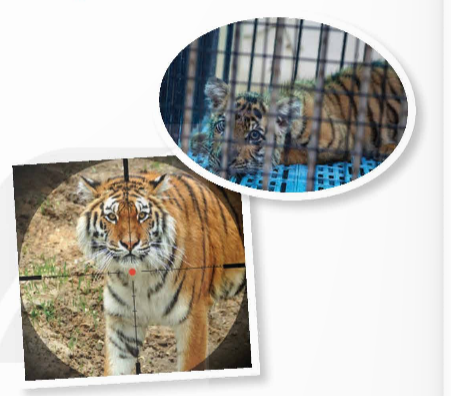
Answer:
The tigers in the pictures are likely being hunted illegally for their skins, bones, and other body parts and be kept in cages for purposes such as traditional medicine, entertainment, or private collections
To protect tigers and ensure their survival in the wild, we can:
Strengthening and enforcing laws against poaching and illegal wildlife trade is crucial. This includes increasing penalties for offenders and improving law enforcement capabilities to combat wildlife crime.
Protecting and restoring tiger habitats is essential. This involves preserving large, connected areas of forest where tigers can roam and hunt prey without human disturbance.
Raising awareness among the public, policymakers, and businesses about the plight of tigers and the importance of conservation efforts can garner support and drive positive change.
2. Choose the correct meanings off the underlined words and phrases.
1. Natural habitats have been degraded by human activity.
A. made worse in quality
B. made endangered
2. Forest clearance to meet other land needs can destroy the natural habitats of many species.
A. removing broken trees
B. cutting down trees and other plants
3. Reducing the demand for wild animal parts can help stop poaching.
A. the need or desire for particular goods
B. things that someone forces you to do
4. Animals bred in captivity would probably not survive if they were released into the wild.
A. born while being kept in special facilities
B. born while living in the forest
Answer:
1. A
Natural habitats have been degraded by human activity. - (Môi trường sống tự nhiên bị suy thoái do hoạt động của con người.)
= A. made worse in quality - (làm cho chất lượng tệ hơn)
2. B
Forest clearance to meet other land needs can destroy the natural habitats of many species. - (Phá rừng để đáp ứng các nhu cầu đất khác có thể phá hủy môi trường sống tự nhiên của nhiều loài.)
= B. cutting down trees and other plants - (chặt cây và các loại cây khác)
3. A
Reducing the demand for wild animal parts can help stop poaching. - (Giảm nhu cầu về các bộ phận của động vật hoang dã có thể giúp chấm dứt nạn săn trộm.)
= A. the need or desire for particular goods - (nhu cầu hoặc mong muốn về hàng hóa cụ thể)
4. A
Animals bred in captivity would probably not survive if they were released into the wild. - (Động vật được nuôi nhốt có thể sẽ không thể sống sót nếu chúng được thả vào môi trường tự nhiên hoang dã.)
= A. born while being kept in special facilities - (sinh ra trong khi được giữ ở nơi đặc biệt)
3. Listen to a talk and choose the correct answer A, B, or C.
1. What is the talk mainly about?
A. Threats facing tigers.
B. Ways to protect tigers.
C. The world's tiger population.
2. Which line graph shows the population of tigers over the past 100 years?
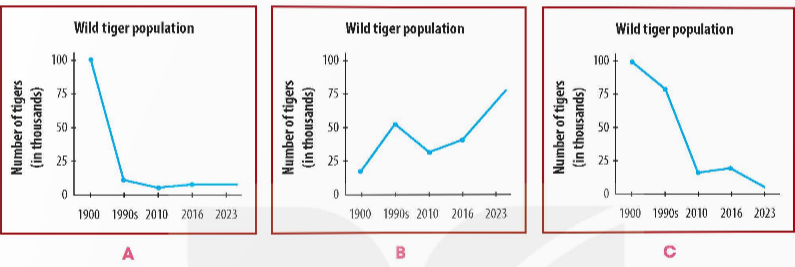
3. As their habitats become smaller, tigers
A. look for food in forests
B. enter farmers' houses
C. attack farm animals
4. What have the tiger breeding farms led to?
A. The creation of conservation centres.
B. An increase in poaching.
C. A decrease in the use of tiger parts.
Answer:
……………………………………………………………………………………
4. Listen to the talk again and complete the notes. Use ONE word or a number for each gap.
TIGERS | |
Estimated population in 2023
| There were about (1)_____ wild tigers left in the world.
|
Threats facing tigers
| Habitat loss: - Tigers' habitats have been (2)_____ or degraded by human activity. - Habitat loss forces tigers to (3)_____ in small, unnatural environments. Poaching and illegal trade in tiger parts: - Tigers were poached for their (4)_____ used to make fur coats and home decorations. - Tigers are also poached for their bones, teeth, and other body parts, which are used to make traditional (5)_____ . |
Answer:
……………………………………………………………………………………
5. Work in pairs. Discuss the following questions.
Which threats are facing tigers in VietNam? Which one is the most serious?
Answer:
Tigers in Vietnam face a multitude of threats that jeopardize their survival. Habitat loss due to deforestation and development, coupled with habitat fragmentation, severely restricts their range and breeding opportunities. Moreover, illegal wildlife trade, driven by demand for tiger parts in traditional medicine, luxury markets, continues to decimate populations. Human - wildlife conflict also arises as tigers compete for dwindling prey sources and occasionally prey on livestock, leading leading to retaliatory killings. Effective conservation efforts must prioritize habitat protection, strengthen law enforcement against poaching and trafficking, engage local communities in conservation practices, and raise awareness globally about the plight of tigers in Vietnam to ensure their long-term survival.
VI. WRITING
A problem-solving report on protecting tigers
1. Work in pairs. Read the solutions and write the threats.
| Threats | Solutions |
| 1. _____ | - Stopping deforestation - Restoring degraded habitats - Rebuilding or replacing habitats that have been lost |
| 2. _____ | - Introducing stricter laws and harsher punishments to stop poachers from killing and selling tiger parts
|
| 3. _____ | - Educating people about the importance of tiger conservation - Reducing demand for tiger parts |
Answer:
| Threats | Solutions |
| 1. Habitat loss | - Stopping deforestation - Restoring degraded habitats - Rebuilding or replacing habitats that have been lost |
| 2. Illegal poaching | - Introducing stricter laws and harsher punishments to stop poachers from killing and selling tiger parts
|
3. Demand for tiger parts
| - Educating people about the importance of tiger conservation - Reducing demand for tiger parts |
2. Read the announcement and write a problem-solving report. Use the ideas in 1 and the outline below to help you.
The tiger is one of the most endangered animals in the world. The Wildlife Magazine is holding a writing competition to raise people's awareness about conserving tigers. Write a report (180-200 words) describing the threats facing tigers and suggesting possible solutions.
To: ... From: ... Subject: ... Date: ... Introduction · This report describes the threats ... and suggests some solutions to the problem. Threats · Research has shown that ... · Another serious threat is ... Solutions · One solution is ... · Second, it is important to ... · In addition, we should ... Conclusion · In conclusion, there are ... · Therefore, we recommend ... |
Answer:
To: Editor-in-Chief, Wildlife Magazine
From: [Your Name]
Subject: Report on Threats Facing Tigers and Suggested Solutions
Date: [Date]
Introduction
This report describes the threats currently facing tigers worldwide and suggests potential solutions to address these critical issues.
Threats
Research has shown that tigers are threatened primarily by habitat loss and illegal poaching due to deforestation for agriculture, logging and infrastructure development. This destruction severely limits their range and ability to find mates, leading to isolated populations vulnerable to extinction. Another serious threat is illegal poaching, driven by demand for tiger parts in traditional medicine and luxury markets. Poaching for tiger skins, bones, and other body parts continues to decimate tiger populations across their range.
Solutions
One solution to mitigate habitat loss is to stop deforestation and restore degraded habitats. This involves implementing sustainable land-use practices and creating protected areas to safeguard tiger habitats. Secondly, it is crucial to introduce stricter laws and harsher penalties to deter poachers from killing and trafficking tiger parts. Enhanced law enforcement and international cooperation are essential to combat illegal wildlife trade effectively. In addition, we should educate communities and reduce demand for tiger parts through awareness campaigns, alternative medicines, and sustainable livelihood options for local populations.
Conclusion
In conclusion, there are urgent threats facing tiger populations globally, primarily habitat loss and illegal wildlife trade. Therefore, we recommend a comprehensive approach that includes habitat conservation, strengthened law enforcement, community engagement, and awareness-raising efforts to secure a future for tigers in the wild.
[Your Name]
VII. COMMUNICATION AND CULTURE/ CLIL
Everyday language
Expressing concern
1. Listen and complete the conversations with the expressions in the box. Then practise them in pairs.
A. Has something happened? B. Is there something wrong? C. Is there anything I can do to help? D. Do you feel better now? |
1.
Nam: Hi, Linda. Why didn't you come to Cuc Phuong National Park with us yesterday? We were worried about you. (1) _______________
Linda: I had a stomachache, so I had to stay at home and rest.
Nam: Sorry to hear that. (2) _______________
Linda: I'm fine now. Thanks for asking.
2.
Mai: You look worried. (3) _______________
Nam: No, I'm just a bit nervous about my presentation on wildlife protection tomorrow.
Mai: (4) _______________
Nam: If you could look at my slides, it would be great. Thanks so much in advance, Mai.
Answer:
(1) A - We were worried about you. Has something happened?
(2) D - Sorry to hear that. Do you feel better now?
(3) B - You look worried. Is there something wrong?
(4) C - Is there anything I can do to help?
Conversation
1.
Nam: Hi, Linda. Why didn't you come to Cuc Phuong National Park with us yesterday? We were worried about you. (A) Has something happened?
Linda: I had a stomachache, so I had to stay at home and rest.
Nam: Sorry to hear that. (D) Do you feel better now?
Linda: I'm fine now. Thanks for asking.
2.
Mai: You look worried. (B) Is there something wrong?
Nam: No, I'm just a bit nervous about my presentation on wildlife protection tomorrow.
Mai: (C) Is there anything I can do to help?
Nam: If you could look at my slides, it would be great. Thanks so much in advance, Mai.
2. Work in pairs. Use the models in 1 to make similar conversations for these situations. One of you is A, the other is B. Use the expressions on page 109 to help you.
1. A looks worried because he/she hasn't collected enough information about endangered species for his/her biology project. B expresses concern about him/her.
2. B didn't join a school field trip to the Endangered Species Rescue Centre. A expresses concern about him/her.
Useful expressions | |
Expressing concern | |
- Are you all right? / Are you OK? - How are things? / How are you getting on? - Is there anything I can do?
| - What's the matter? / What's up? - You look a bit tired. Are you feeling all right? - You look worried/upset. Has something happened?/Is there something wrong? |
Answer:
Situation 1: A looks worried because he/she hasn't collected enough information about endangered species for his/her biology project. B expresses concern about him/her.
A: (looking worried) I'm really stressed about my biology project on endangered species. I haven't collected enough information yet.
B: (expressing concern) What's the matter? Is everything alright?
A: I'm just worried I won't finish in time. There's so much to cover.
B: Is there anything I can do to help? Maybe we can brainstorm some ideas together.
A: That would be great, actually. Thanks for offering.
Situation 2: B didn't join a school field trip to the Endangered Species Rescue Centre. A expresses concern about him/her.
A: (concerned) Hey, I noticed you didn't join us on the school trip to the Endangered Species Rescue Centre. Is everything okay?
B: (explaining) Yeah, I had a dentist appointment that I couldn't reschedule.
A: You missed out on seeing some amazing animals. Are you disappointed?
B: A little bit. I was looking forward to it.
A: Well, if you want, I can share some photos and tell you about what we saw.
B: That would be really nice, thanks!
CLIL
1. Read the following text. Put a tick (✓) if the animals in the table are classified as endangered and a cross (x) if they are not.
THE IUCN RED LIST
The International Union for Conservation of Nature (IUCN) Red List divides species into seven levels of conservation: Least Concern, Near Threatened, Vulnerable, Endangered, Critically Endangered, Extinct in the Wild, and Extinct. It uses a set of precise criteria to evaluate extinction risks and decides which species need protection. An endangered species is one that meets any of the following criteria:
Population reduction rate
A species is classified as endangered when its population has declined between 50 and 70 per cent. This decline is measured over 10 years or longer.
Geographic range
Geographic range describes the area where a species is found. If the area that a species lives on, known as its area of occupancy, is estimated to be less than 500 square kilometres, then the species is classified as endangered.
Population size
A species is classified as endangered when there are fewer than 2,500 mature individuals. When a species population declines by at least 20 per cent or two generations within five years, it is also classified as endangered.
Animals | Endangered or not | |
 | Siberian sturgeon - Rate of population decline: between 50 and 80 per cent over the past 60 years - Causes of decline: overfishing, poaching, and habitat loss | |
 | Ethiopian banana frog - Location: in southern Ethiopia - Area of occupancy: less than 2,000 square kilometres | |
 | Snaggletooth shark - Location: in the tropical, coastal waters of the Indian and Pacific Oceans - Area of occupancy: enormous, from southeast Africa to the Philippines and from China to Australia | |
 | Tahiti reed-warbler - Location: only on the Pacific Island of Tahiti - Population: fewer than 1,000 individuals - Area of occupancy: around 420 square kilometers | |
Answer:
Animals | Endangered or not | |
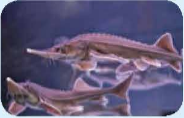 | Siberian sturgeon - Rate of population decline: between 50 and 80 per cent over the past 60 years - Causes of decline: overfishing, poaching, and habitat loss | ✓ |
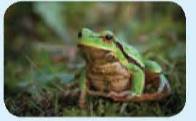 | Ethiopian banana frog - Location: in southern Ethiopia - Area of occupancy: less than 2,000 square kilometres | ✓ |
 | Snaggletooth shark - Location: in the tropical, coastal waters of the Indian and Pacific Oceans - Area of occupancy: enormous, from southeast Africa to the Philippines and from China to Australia | x |
 | Tahiti reed-warbler - Location: only on the Pacific Island of Tahiti - Population: fewer than 1,000 individuals - Area of occupancy: around 420 square kilometers | ✓ |
- Siberian sturgeon
- ✓ Endangered
- Explanation: The Siberian sturgeon meets the criteria for being classified as endangered due to its significant population decline (between 50 and 80 percent over the past 60 years) caused by overfishing, poaching, and habitat loss.
- Ethiopian banana frog
- ✓ Endangered
- Explanation: The Ethiopian banana frog is classified as endangered because its area of occupancy is less than 2,000 square kilometers, which falls below the threshold for endangered status based on geographic range criteria.
- Snaggletooth shark
- x Not endangered
- Explanation: The snaggletooth shark is not classified as endangered because it has an enormous geographic range, spanning from southeast Africa to the Philippines and from China to Australia. Despite this vast range, specific population trends or declines are not mentioned that would warrant endangered status.
- Tahiti reed-warbler
- ✓ Endangered
- Explanation: The Tahiti reed-warbler meets the criteria for endangered status due to its small population size (fewer than 1,000 individuals) and limited geographic range (around 420 square kilometers on the Pacific Island of Tahiti).
2. Work in groups. Name some endangered animals in Viet Nam. Share what you know about them.
Answer:
- Vietnamese Saola : Also known as the Asian unicorn, the Vietnamese Saola is a rare species of mammal found only in the Annamite Range of Vietnam and Laos. It is critically endangered due to habitat loss, hunting, and incidental trapping, with estimates suggesting only around 50 individuals remain.
- Tonkin snub-nosed monkey: Found in northern Vietnam, this monkey is recognized for its distinctive upturned nose. It is critically endangered mainly due to habitat loss and hunting for traditional medicine and bushmeat.
- Red-shanked douc: A colorful species of monkey found in central Vietnam, the red-shanked douc is critically endangered due to habitat loss from deforestation and hunting for bushmeat and traditional medicine.
VIII. LOOKING BACK
Pronunciation
1. Underline the parts where assimilation occurs. Listen and check. Then practice saying these sentences in pairs
1. Have you been to the new conservation park in town?
2. Animals are brought to the park from different places
3. My sister follows a special diet and doesn’t eat red meat.
4. We got back home from a trip to the animal rescue center.
Answer:
1. Have you been to the new conservation park in town? /hæv juː biːn tuː ðə njuː ˌkɒnsəˈveɪʃᵊmpɑːk ɪn taʊn?/
2. Animals are brought to the park from different places /ˈænɪmᵊlz ɑː brɔːt tuː ðə pɑːk frɒm ˈdɪfᵊrᵊnpˈpleɪsɪz/
3. My sister follows a special diet and doesn’t eat red meat. / maɪ ˈsɪstə ˈfɒləʊz ə ˈspɛʃᵊl ˈdaɪət ænd ˈdʌzᵊnt iːt rɛb miːt./
4. We got back home from a trip to the animal rescue center. / wiː ɡɒp bæk həʊm frɒm ə trɪp tuː ði ˈænɪmᵊl ˈrɛskjuː ˈsɛntə./
VOCABULARY
Choose the correct answers to complete these sentences.
1. To survive/rescue, the young cubs should be released into the wild when they are aged eight to ten months.
2. Many volunteers are participating in a campaign to conserve/degrade the rainforests.
3. The animals looked so weak because they were kept in captivity/extinction for a long time.
4. Many species of animals are becoming extinct/common because of habitat loss
Answer:
1. survive - To survive, the young cubs should be released into the wild when they are aged eight to ten months.
2. conserve - Many volunteers are participating in a campaign to conserve the rainforests.
3. captivity - The animals looked so weak because they were kept in captivity for a long time.
4. extinct - Many species of animals are becoming extinct because of habitat loss.
GRAMMAR
Choose the sentence that best combines each pair of the following sentences.
1. People continue to buy clothes made of wild animal skins. This will encourage poaching and illegal trade in body parts.
A. If people continue to buy clothes made of wild animal skins, this will encourage poaching and illegal trade in body parts.
B. If poaching and illegal trade in body parts are encouraged, people will continue to buy clothes made of wild animal skins.
C. Unless people continue to buy clothes made of wild animal skins, this will encourage poaching and illegal trade in body parts.
D. Unless people are encouraged to poach and trade body parts illegally, they will continue to buy clothes made of wild animal skins.
2. Sharks are not dangerous. People think they are dangerous.
A. Sharks are as dangerous as people think.
B. Sharks are not as dangerous as people think.
C. Sharks are more dangerous than people think.
D. Sharks are thought to be more dangerous.
3. We should try our best to conserve wildlife in the area. Otherwise, many wild animals may not survive.
A. Unless many wild animals survive, we will try our best to conserve wildlife in the area.
B. If we try our best to conserve wildlife in the area, many wild animals may not survive.
C. Unless we try our best to conserve wildlife in the area, many wild animals may not survive.
D. If we do not try our best to conserve wildlife in the area, many wild animals may survive.
4. The baby gibbon grew very quickly. We didn't expect that.
A. The baby gibbon didn't grow quickly as we expected.
B. The baby gibbon grew as quickly as we expected.
C. The baby gibbon expected that it would grow quickly.
D. The baby gibbon grew more quickly than we expected.
Answer:
1. A
People continue to buy clothes made of wild animal skins. This will encourage poaching and illegal trade in body parts. - (Mọi người tiếp tục mua quần áo làm từ da động vật hoang dã. Điều này sẽ khuyến khích nạn săn trộm và buôn bán bất hợp pháp các bộ phận cơ thể.)
= A. If people continue to buy clothes made of wild animal skins, this will encourage poaching and illegal trade in body parts. - (Nếu mọi người tiếp tục mua quần áo làm từ da động vật hoang dã, điều này sẽ khuyến khích nạn săn trộm và buôn bán trái phép các bộ phận cơ thể.)
Structure: If/ Unless + S + V (hiện tại đơn), S + will + V
2. B
Sharks are not dangerous. People think they are dangerous. - (Cá mập không nguy hiểm. Mọi người nghĩ rằng họ nguy hiểm.)
= B. Sharks are not as dangerous as people think. - (Cá mập không nguy hiểm như mọi người nghĩ.)
Structure: “S + be + (not) + as + adj + as + mệnh đề.”
3. C
We should try our best to conserve wildlife in the area. Otherwise, many wild animals may not survive. - (Chúng ta nên cố gắng hết sức để bảo tồn động vật hoang dã trong khu vực. Nếu không, nhiều loài động vật hoang dã có thể không tồn tại được.)
= C. Unless we try our best to conserve wildlife in the area, many wild animals may not survive. - (Nếu chúng ta không cố gắng hết sức để bảo tồn động vật hoang dã trong khu vực, nhiều loài động vật hoang dã có thể không tồn tại được.)
Structure: If/ Unless + S + V (hiện tại đơn), S + will + V
4. D
The baby gibbon grew very quickly. We didn't expect that. - (Vượn con lớn rất nhanh. Chúng tôi không mong đợi điều đó.)
= C. The baby gibbon expected that it would grow quickly. - (Vượn con mong đợi rằng nó sẽ lớn nhanh.)
Structure: “S + V + more + trạng từ dài + than + mệnh đề.”
PROJECT
Protecting endangered species
Work in groups. Make a poster about an endangered species and suggest ways to protect it. Present your poster to the class. Use these questions as cues for your poster and presentation.
- What is the species?
- What are the threats facing these animals?
- What IUCN level of conservation are they in?
- What should be done to protect them?
Answer:
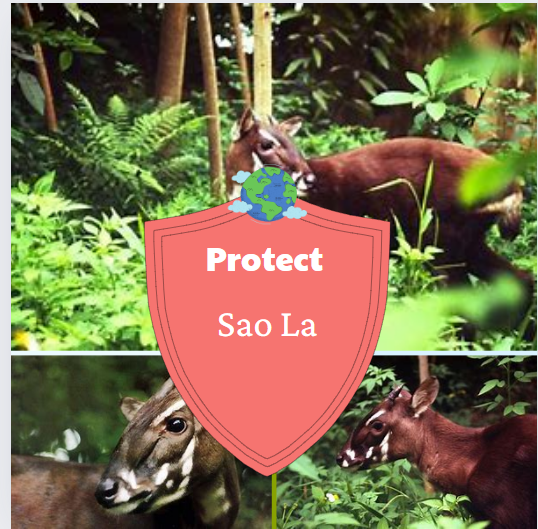
- Saola
Also known as the "Asian Unicorn"
Native to the Annamite Range in Vietnam and Laos
Discovered as recently as 1992
- Threats to Saola:
Habitat Loss: Deforestation and habitat fragmentation due to agriculture and logging.
Hunting and Poaching: Targeted for its rare horns and meat.
Climate Change: Alters their forest habitats and affects food availability.
- Conservation Status:
IUCN Red List: Critically Endangered (CR)
Population estimated to be fewer than 100 individuals
High risk of extinction in the wild
- Protective Measures:
Habitat Conservation:
Establish and expand protected areas within their range.
Promote sustainable land use practices to reduce habitat destruction.
Anti-Poaching Efforts:
Strengthen law enforcement to combat illegal hunting and trade.
Engage local communities in wildlife conservation and sustainable livelihoods.
Public Awareness and Education:
Raise awareness about the plight of Saola and the importance of biodiversity conservation.
Educate local communities, policymakers, and the general public about sustainable practices.
=> Protecting the Saola requires immediate and concerted efforts from governments, conservation organizations, and local communities. By addressing habitat loss, poaching, and climate change, we can ensure a future where the Saola continues to thrive in its natural habitat.
Tài liệu cùng môn học
Tài liệu khác
- Trắc nghiệm tiếng anh 2 Family and Friends
- Trắc nghiệm tiếng anh 2 Explore our world
- Trắc nghiệm tiếng anh 3 Family and Friends
- Trắc nghiệm tiếng anh 3 Explore our world
- Trắc nghiệm tiếng anh 4 Family and Friends
- Trắc nghiệm tiếng anh 4 Global Success
- Trắc nghiệm tiếng anh 4 Explore our world
- Trắc nghiệm tiếng anh 5 Family and Friends
- => Xem nhiều môn hơn