Giải tiếng anh 11 Global Success: Unit 10 Reading
Hướng dẫn giải tiếng anh 11 Global Success: Giải Unit 10 Reading. Bài được giải chi tiết, rõ ràng, dễ hiểu. Bài giải giúp học sinh nắm vững kiến thức trong sách giáo khoa, rèn kĩ năng giải bài tập và có phương pháp học tập hiệu quả.
Nội dung chi tiết
U Minh Thuong - A unique national park
1. Work in pairs. Look at the photos and discuss the questions.
(Làm việc theo cặp. Nhìn vào các bức ảnh và thảo luận các câu hỏi)
- Have you ever been to U Minh Thuong National Park? Where is it?
- What can / did you see in the park?

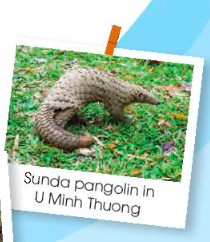
Answer:
Example:
Person 1: Have you ever been to U Minh Thuong National Park? Where is it?
Person 2: No, I haven't. Where is it located?
Person 1: It's located in the southern part of Vietnam, in the Mekong Delta region.
Person 2: Ah, I see. What can/did you see in the park?
Person 1: Well, I've seen some rare animals like otters and pangolins, and also many types of birds. The park is famous for its diverse ecosystems, including mangrove forests and wetlands.
Person 2: That sounds really interesting. I would love to visit the park someday and see those animals and ecosystems.
2. Read the article and match the headings (1-4) to the paragraphs (A-D).
(Đọc bài viết và nối các tiêu đề (1-4) với các đoạn văn (A-D)
1. Flora and fauna
2. Best time to visit
3. Location
4. Geography
A. ____________________
U Minh Thuong National Park is located in An Bien, An Minh, and Vinh Thuan districts of Kien Giang Province, about 60 km south of Rach Gia city centre. This place is considered one of the most important sites for ecosystem conservation in the Mekong River Delta. It attracts tourists not only with its wild and beautiful scenery, but also with its rare and rich biodiversity.
B. ____________________
U Minh Thuong National Park covers a large area of freshwater wetlands, including mangrove forests. Its central part is surrounded by waterways with a series of gates, which are used to manage the water level.
C. ____________________
Home to 226 species of plants, U Minh Thuong National Park is the region with the richest biodiversity in the Mekong River Delta. It used to be one of the largest habitats for water birds in the area, but their home was badly damaged by forest fires in 2002. Now there are about two hundred types of birds in the park, including some unique birds like the great spotted eagle. Thirty-two types of mammals have been found here. Ten of them, including the fishing cat and Sunda pangolin, are on the list of rare and endangered species, native to Viet Nam.
D. ____________________
The ideal time to explore U Minh Thuong National Park is from August to November, known as the floating water season of the region. Tourists can take a boat to experience nature and wildlife. Visitors can go to Trang Doi, a place where thousands of bats gather, hanging on the trees like huge fruits. Another popular place to visit is Trang Chim, a large area with thousands of colourful birds. So if you love nature, you should definitely go to explore this amazing natural park.
Answer:
1. Flora and fauna - C. Home to 226 species of plants, U Minh Thuong National Park is the region with the richest biodiversity in the Mekong River Delta.
2. Best time to visit - D. The ideal time to explore U Minh Thuong National Park is from August to November, known as the floating water season of the region.
3. Location - A. U Minh Thuong National Park is located in An Bien, An Minh, and Vinh Thuan districts of Kien Giang Province, about 60 km south of Rach Gia city centre.
4. Geography - B. U Minh Thuong National Park covers a large area of freshwater wetlands, including mangrove forests. Its central part is surrounded by waterways with a series of gates, which are used to manage the water level.
3. Read the article again and complete each sentence with no more than THREE words.
(Đọc lại bài viết và hoàn thành mỗi câu với không quá BA từ)
1. U Minh Thuong National Park is famous for its rare and rich ____________.
2. Waterways surround the ____________ of the national park.
3. It has more than two hundred ____________.
4. You can find nearly 200 types of birds and 32 ____________ there.
5. The best time to visit U Minh Thuong National Park is from _____________.
Answer:
1. U Minh Thuong National Park is famous for its rare and rich biodiversity.
2. Waterways surround the central part of the national park.
3. It has more than two hundred species.
4. You can find nearly 200 types of birds and 32 mammals there.
5. The best time to visit U Minh Thuong National Park is from August to November.
4. Work in groups. Discuss the following questions.
(Làm việc nhóm. Thảo luận các câu hỏi sau)
Why do we need national parks? What should we do fo protect them?
Answer:
National parks are important for several reasons, including:
Conservation of biodiversity and protection of ecosystems: National parks help to preserve habitats for many species of plants and animals, including some endangered ones.
Recreation and tourism: National parks provide opportunities for people to enjoy and appreciate nature, which can have many benefits, such as improving mental and physical health.
Scientific research: National parks can serve as living laboratories for scientists studying topics such as ecology, geology, and climate change.
To protect national parks, some actions that can be taken include:
Raising awareness: People need to understand the importance of national parks and the impact that their actions can have on them.
Limiting human impact: National parks should be managed in a way that minimizes the impact of human activities such as logging, mining, and construction.
Enforcing regulations: Rules and regulations should be in place to protect the parks, and these rules should be enforced to prevent illegal activities.
Supporting park staff: Adequate resources should be provided to national parks and their staff to ensure that they can effectively manage and protect the parks.
Educating visitors: Visitors should be educated about how to behave responsibly in national parks, such as avoiding littering, staying on marked trails, and not disturbing wildlife.
Tài liệu cùng môn học
Tài liệu khác
- Trắc nghiệm tiếng anh 2 Family and Friends
- Trắc nghiệm tiếng anh 2 Explore our world
- Trắc nghiệm tiếng anh 3 Family and Friends
- Trắc nghiệm tiếng anh 3 Explore our world
- Trắc nghiệm tiếng anh 4 Family and Friends
- Trắc nghiệm tiếng anh 4 Global Success
- Trắc nghiệm tiếng anh 4 Explore our world
- Trắc nghiệm tiếng anh 5 Family and Friends
- => Xem nhiều môn hơn