Giải Tiếng Anh 9 kết nối: Unit 10 Planet earth
Hướng dẫn giải Tiếng Anh 9 kết nối tri thức: Giải Unit 10 Planet earth. Bài được giải chi tiết, rõ ràng, dễ hiểu. Bài giải giúp học sinh nắm vững kiến thức trong sách giáo khoa, rèn kĩ năng giải bài tập và có phương pháp học tập hiệu quả.
Nội dung chi tiết
UNIT 10: PLANET EARTH
GETTING STARTED
In a science club
1. Listen and read.
President: Hi, welcome to our science club. Our topic today is planet Earth. Our guest is Mr An. an earth scientist.
Mr An: Hi everybody. Pleased to meet you. I'm looking forward to answering your questions about our planet.
Lan: Mr An, where's Earth in the Solar System?
Mr An: There are eight planets in the Solar System, and Earth is the third from
the Sun, after Mercury and Venus. It's also the fifth largest in our system.
Nick: Is it also called the Blue Planet?
Mr An: Right. From the outer space it looks blue because water covers more than 70 percent of it.
Lan: Is it the only planet that has liquid water?
Mr An: Exactly. Without it. there wouldn't be living things, like humans, or the flora and fauna of your habitat.
Nick: How about the role of air, light, and heat? How do they affect Earth?
Mr An: Well, water bodies and landforms, which are main areas on Earth, together with air, light, and heat, provide essential habitats for plants and animals.
Nick: It's fascinating to observe and study these habitats.
Mr An: Yes. However, they are being destroyed by pollution. We should all help out to preserve them....
2 Read the conversation again and tick (✔) T (True) or F (False) for each sentence.
| T | F |
1. The students are asking about the Solar System. |
|
|
2. Another name for Earth is the Blue Planet. |
|
|
3. Water covers four fifths of Earth. |
|
|
4. Water bodies and landforms are essential habitats for plants and animals. |
|
|
5. Mr An thinks pollution is threatening the habitats of plants and animals. |
|
|
Answer:
1. F - The students are asking about the Solar System (Explanation: Lan: Mr An, where's Earth in the Solar System?)
2. T - Another name for Earth is the Blue Planet. (Explanation: Mr An: There are eight planets in the Solar System, and Earth is the third from the Sun, after Mercury and Venus. It's also the fifth largest in our system.
Nick: Is it also called the Blue Planet?
Mr An: Right. From the outer space it looks blue because water covers more than 70 percent of it.)
3. F - Water covers four fifths of Earth. (Explanation: Mr An: Right. From the outer space it looks blue because water covers more than 70 percent of it.)
4. T - Water bodies and landforms are essential habitats for plants and animals. (Explanation: Mr An: Well, water bodies and landforms, which are main areas on Earth, together with air, light, and heat, provide essential habitats for plants and animals.)
5. T - Mr An thinks pollution is threatening the habitats of plants and animals.
(Explanation: Mr An: Yes. However, they are being destroyed by pollution. We should all help out to preserve them....)
3. Write a word or phrase from the box under the correct picture.
liquid water landforms flora and fauna water bodies Solar System outer space |
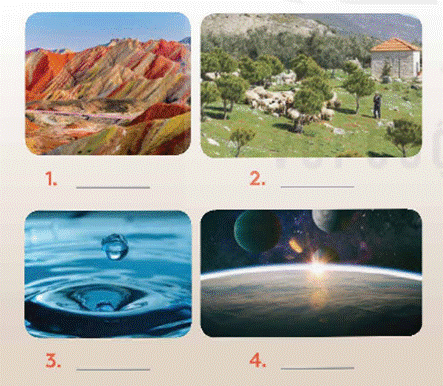
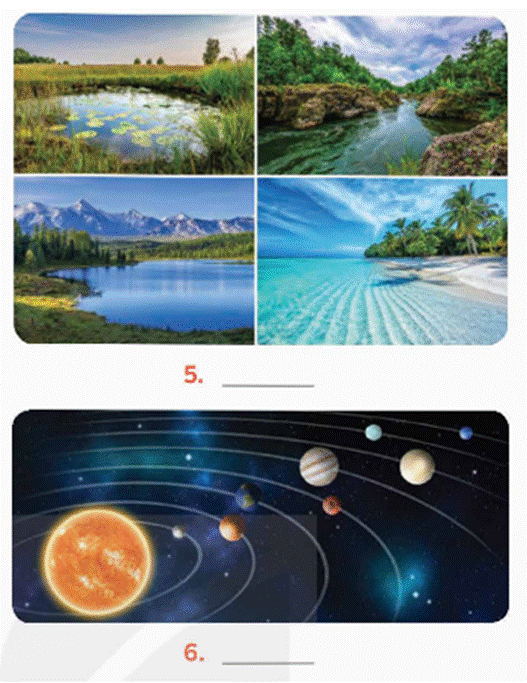
Answer:
1. landforms (địa hình)
2. flora and fauna (thực vật và động vật)
3. liquid water (nước lỏng)
4. outer space ( vũ trụ)
5. water bodies ( Các vùng nước)
6. Solar System (hệ Mặt trời)
4 Complete each sentence with a word or phrase from 3.
1. ________refer to the plants and animals of a particular place.
2. Oceans, seas, rivers, and lakes are different types of __________ on Earth.
3. There are eight planets in the ______________
4. The Soviet Union launched Sputnik 1 into __________ in 1957.
5. Some examples of ____________ include mountains, grassland, and deserts.
Answer:
1. flora and fauna - Flora and fauna refer to the plants and animals of a particular place.
2. water bodies - Oceans, seas, rivers, and lakes are different types of water bodies on Earth.
3. Solar System - There are eight planets in the Solar System
4. outer space - The Soviet Union launched Sputnik 1 into outer space in 1957.
5. landforms - Some examples of landforms include mountains, grassland, and deserts.
5 QUIZ Work in groups. Answer the following questions.
1. How many continents are there on Earth?
2. How many oceans are there on Earth?
3. How many moons orbit Earth?
4. Which gas is essential for life on Earth?
5. Which planet has conditions similar to those on Earth?
Answer:
1. 7 continents - There are seven continents on Earth: Africa, Antarctica, Asia, Europe, North America, South America, and Australia.
2. 5 oceans - There are five oceans on Earth: the Atlantic Ocean, the Pacific Ocean, the Indian Ocean, the Southern Ocean, and the Arctic Ocean.
3. 1 moon - The Earth rotates on its axis and has one natural satellite, which is the Moon.
4. Oxygen - Oxygen is essential for life on Earth. It is necessary for respiration in most living organisms.
5. Venus - Venus is often considered to have conditions somewhat similar to those on Earth, although it has a thick atmosphere composed mainly of carbon dioxide and its surface temperature is extremely high, making it inhospitable to life as we know it.
A CLOSER LOOK 1
VOCABULARY
1. Write a word or phrase from the box under each picture.
habitats flora and fauna grassland nature reserves food chain poles |
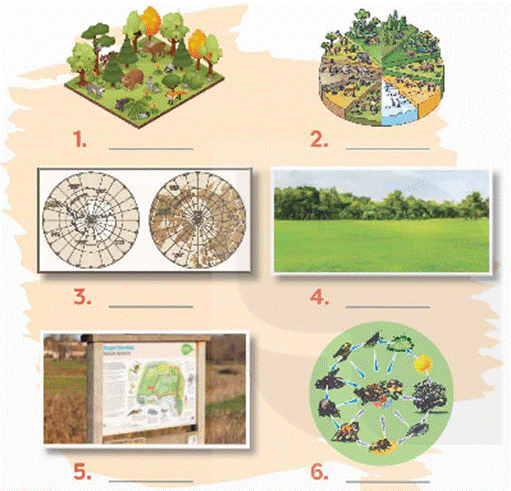
Answer:
1. flora and fauna (thực vật và động vật)
2. habitats (môi trường sống)
3. poles (cực)
4. grassland (đồng cỏ)
5. nature reserves (khu bảo tồn thiên nhiên)
6. food chain (chuỗi thức ăn)
2. Complete each sentence with a word or phrase from 1.
1. In a __________, some animals eat other animals and become food for a third group of animals.
2. A ___ is often wide and its plants are mostly grass and flowers.
3. Areas of land to protect animals and plants are called ___________
4. The North and South _________ are both extremely cold and icy.
5. Natural ______ for pandas are bamboo forests.
Answer:
1. food chain - In a food chain, some animals eat other animals and become food for a third group of animals.
2. grassland - A grassland is often wide and its plants are mostly grass and flowers.
3. nature reserves - Areas of land to protect animals and plants are called nature reserves.
4. poles - The North and South poles are both extremely cold and icy.
5. habitats - Natural habitats for pandas are bamboo forests.
3 Choose the correct answer A, B, C, or D.
1. When humans use a natural habitat for farming and housing, they cause______.
A. climate change
B. global warming
C. habitat loss
D. ecological balance
2. When Earth's average temperature increases, we face________.
A.ecological balance
B. global warming
C. pollution
D. protection
3. Each of us can lend a hand to__________ the natural environment.
A. hunt
B. change
C. preserve
D. pollute
4. We can keep a(n) ______ by stopping hunting and cutting down trees.
A. ecological balance
B. habitat loss
C. climate change
D. nature reserve
5. One way to _________ Mother Earth is by planting more trees.
A. keep
B. harm
C. provide
D. protect
Answer:
1. C - habitat loss - When humans use a natural habitat for farming and housing, they cause habitat loss
2. B - global warming - When Earth's average temperature increases, we face global warming
3. C - preserve - Each of us can lend a hand to preserve the natural environment.
4. A - ecological balance - We can keep a(n) ecological balance by stopping hunting and cutting down trees.
5. D - protect - One way to protect Mother Earth is by planting more trees.
PRONUNCIATION
Rhythm in sentences
4. Listen to the sentences and pay attention to the bold syllables. Does
the speaker place stress on them?
1. Earth is the third planet from the Sun.
2. Oceans, seas, rivers, and lakes are water bodies.
3. The North and South poles are extremely cold and icy.
4. Do moonquakes last up to half an hour?
5. Preserving natural resources is very important.
Answer:
……………………………………………………………………………………
5. Circle the stressed syllables in the sentences. Listen, check, and repeat.
1. We're doing a study on climate change.
2. What is the distance from Earth to Mars?
3. They'll have a discussion on natural habitats.
4. Plants provide us with food, oxygen, and energy.
5. Our school organized various activities on Earth Day.
Answer:
1. We're doing a study on climate change.
2. What is the distance from Earth to Mars?
3. They'll have a discussion on natural habitats.
4. Plants provide us with food, oxygen, and energy.
5. Our school organized various activities on Earth Day.
A CLOSER LOOK 2
GRAMMAR
Non - defining relative clauses
1. Complete the sentences with correct relative pronouns.
1. Planet Earth, _____ is also called the Blue Planet, is covered with water and land.
2. Peter Molnar, ______ has done many studies on climate change, is one of the best-known Earth scientists.
3. Neil Armstrong, _______ trip to the moon marked a giant leap for mankind, was the first to walk on the moon.
4. Suoi Thau, _________ is in Ha Giang, is one of the most gorgeous grasslands in Viet Nam.
5. People often do green things to protect Earth on the Earth Day, ______ is celebrated on 22nd April.
Answer:
1. which - Planet Earth, which is also called the Blue Planet, is covered with water and land.
2. who - Peter Molnar, who has done many studies on climate change, is one of the best-known Earth scientists.
3. whose - Neil Armstrong, whose trip to the moon marked a giant leap for mankind, was the first to walk on the moon.
4. which - Suoi Thau, which is in Ha Giang, is one of the most gorgeous grasslands in Vietnam.
5. which - People often do green things to protect Earth on Earth Day, which is celebrated on 22nd April.
2. Underline the relative clauses. Tick(v) if the relative clause can be omitted.
1. ________The second planet from the Sun is Venus, which is sometimes called the Earth's sister.
2. ________The ocean, which is the body of salt water, contains 97% of Earth's water.
3. ________Landforms make up the areas which include mountains, hills, plains, and plateaus.
4. ________One of the world's most famous Earth scientists is James Hutton, who is a British geologist.
5. _________Arctic Ocean ice and water make up a habitat for polar bears, whose main food is seals.
Answer:
1. ✓ The second planet from the Sun is Venus, which is sometimes called the Earth's sister.
2. ✓ The ocean, which is the body of salt water, contains 97% of Earth's water.
3. ✓ Landforms make up the areas which include mountains, hills, plains, and plateaus.
4. ________One of the world's most famous Earth scientists is James Hutton, who is a British geologist.
5. _________Arctic Ocean ice and water make up a habitat for polar bears, whose main food is seals.
=> In sentences 1, 2, and 3, the relative clauses are not essential to identify what is being discussed (Venus, the ocean, and landforms).
In sentences 4 and 5, the relative clauses are essential to identify which James Hutton is (a British geologist) and what the polar bears' main food is (seals)
3. Complete each sentence (1-5) with a non-defining relative clause (A - E).
A. which is a Germanic word B. which is also called the Red Planet C. whose radius is nearly 4 million miles D. who explained ecological balance to us E. which has a large collection of animals, birds and reptiles, and unique plants |
1. Mars, _______ is very much similar to Earth.
2. Earth, _______ is the fifth largest planet in our solar system.
3. The name of our planet,________ simply means "the ground".
4. Cat Ba National Park, _________ is one of the most famous tropical rainforests in Viet Nam.
5. We were interested in the talk by Mr An,_______
Answer:
1. B - Mars, which is also called the Red Planet, is very much similar to Earth.
2. C - Earth, whose radius is nearly 4 million miles, is the fifth largest planet in our solar system.
3. A - The name of our planet, which simply means "the ground", is Earth.
4. E - Cat Ba National Park, which has a large collection of animals, birds and reptiles, and unique plants, is one of the most famous tropical rainforests in Viet Nam.
5. D - We were interested in the talk by Mr. An, who explained ecological balance to us.
4. Combine the two sentences into one, using a non-defining relative clause.
1. The Moon is Earth's only natural satellite. Its surface is dark.
=>
2. Moonquakes are much weaker than Earthquakes. Moonquakes can last up to half an hour.
=>
3. Mars has mountains and canyons on its surface. It is a rocky planet like Earth.
=>
4. Venus is considered the twin sister of Earth. Venus has a similar size and structure as Earth.
=>
5. We should protect rivers and lakes. Rivers and lakes provide humans with their main sources of fresh water.
=>
Answer:
1. The Moon is Earth's only natural satellite. Its surface is dark.
=> The Moon, which is Earth’s only natural satellite, has a dark surface.
2. Moonquakes are much weaker than Earthquakes. Moonquakes can last up to half an hour.
=> Moonquakes, which can last up to half an hour, are much weaker than Earthquakes.
3. Mars has mountains and canyons on its surface. It is a rocky planet like Earth.
=> Mars, which has mountains and canyons on its surface, is a rocky planet like Earth.
4. Venus is considered the twin sister of Earth. Venus has a similar size and structure as Earth.
=> Venus, which has a similar size and structures as Earth, is considered the twin sister of Earth.
5. We should protect rivers and lakes. Rivers and lakes provide humans with their main sources of freshwater.
=> We should protect rivers and lakes, which provide humans with their main sources of freshwater.
5. Work in two groups. Take turns to say aloud one of the places in the table. The other group explains or gives more information about it. The team that has the most correct sentences wins.
Place | Feature | Feature |
The Nile | longest river | flows into the Mediterranean Sea |
Pacific Ocean | covers 30% of planet surface | largest ocean |
Vietnam | has shape of letter S | has a long coastline |
The Sahara | Largest desert | has almost no rainfall |
Mount Fansipan | highest peak in Vietnam | also called the “Roof of Indochina” |
Example
The Nile
The Nile, which is the longest river, flows into the Mediterranean Sea.
Answer:
1. Pacific Ocean, which covers 30% of planer surface, is the largest oceans
2. Vietnam, which has shape of letter S, has a long coastline
3. The Sahara, which is the largest desert, has almost no rainfall
4. Mount Fansipan, which is highest peak in Vietnam, also called the “Roof of Indochina”
COMMUNICATION
Everyday English
Persuading someone to do something and responding
1. Listen and read the conversations. Pay attention to the highlighted parts.
1. Mi: Have you read this book about the Solar System? Tom: Not yet. I don't feel like reading it. Mi: Why don't you give it a go? You will like it. Tom: OK, I'll think about that. |
2. Lan: How would you feel about contributing to the fund to protect our wildlife? Local resident: Contribute to a fund? Lan: Yes, your contribution would really help us out. Local resident: Alright. I'll make a contribution. |
Answer:
1. Mi: Have you read this book about the Solar System? (Bạn đã từng đọc quyển sách nào về Hệ Mặt Trời chưa?) Tom: Not yet. I don't feel like reading it. (Chưa. Tôi cảm thấy không thích đọc nó) Mi: Why don't you give it a go? You will like it. (Sao bạn không thử đọc nó. Biết đâu bạn sẽ thích nó) Tom: OK, I'll think about that. (Được rồi. Tôi sẽ suy nghĩ về điều đó) |
2. Lan: How would you feel about contributing to the fund to protect our wildlife? (Bạn cảm thấy thế nào về việc đóng góp vào quỹ để bảo vệ động vật hoang dã ?) Local resident: Contribute to a fund? (Đóng góp vào quỹ?) Lan: Yes, your contribution would really help us out. (Vâng, sự đóng góp của bạn thực sự sẽ giúp ích cho chúng tôi) Local resident: Alright. I'll make a contribution. (Được rồi. Tôi sẽ đóng góp) |
2. Work in pairs. Make similar conversations with the following situations.
1. You persuade your friend to watch a movie about planet Earth.
2. You persuade local people to contribute to a fund to build a nature reserve.
Answer:
1. You persuade your friend to watch a movie about planet Earth.
A: Have you watched the documentary about planet Earth?
B: No, not yet. I don't feel like watching it.
A: You should give it a try! It's incredibly captivating and informative
B: Alright, I'll consider watching it.
2. You persuade local people to contribute to a fund to build a nature reserve.
You: Have you heard about the initiative to build a nature reserve in our area?
Local Resident: No, I haven't. What's it about?
You: It's a project to protect our local wildlife and preserve natural habitats.
Local Resident: Sounds interesting, but how can I help?
You: By contributing to the fund, you'll directly support the construction of the reserve.
Local Resident: Hmm, I'll think about it.
You: Your contribution would make a significant difference in conserving our environment for future generations.
Local Resident: Okay, I'll make a contribution.
Earth's habitats
3. Read the short descriptions of various habitats and match them with their features.
Polar habitats include the North Pole and the South Pole. These habitats are covered in ice and extremely cold and dry. Animals here include small fish, polar bears, penguins, leopard seals, etc.
Forest habitats include tropical forests, temperate forests, and boreal forests. They are considered the Earth's lungs because they produce oxygen. They also provide homes to bats, owls, deer, squirrels, foxes, lizards, etc.
Ocean habitats include the Pacific, Atlantic, Indian, Southern, and Arctic Oceans. They produce more than 50 per cent of Earth's oxygen and help adjust the climate. They provide living places for plants like sea grasses, microscopic algae, and fish, etc.
Grasslands include tropical and temperate ones. The main plants are grasses. They are crucial for grazing livestock. Grassland animals include giraffes, zebras, lions, elephants, etc.
1. Polar regions | a. two main types and are crucial for livestock grazing |
2. Forests | b. largest. produce oxygen and adjust the climate |
3. Oceans | c. extremely cold, dry, covered in snow and ice |
4. Grasslands | d. the lungs of Earth, home to many species |
Answer:
1. c - Polar regions - c. extremely cold, dry, covered in snow and ice
2. d - Forests - d. the lungs of Earth, home to many species
3. b - Oceans - b. largest. produce oxygen and adjust the climate
4. a - Grasslands - a. two main types and are crucial for livestock grazing
4. Work in pairs. Choose two habitats and compare them.
You can refer to the following:
- their specific types / examples
- their importance
- plants / animals living there
- other special features
Answer:
- Two habitats: Forests and Grasslands.
- Specific Types/Examples:
Forests: Forests include tropical forests, temperate forests, and boreal forests.
Grasslands: Grasslands include tropical and temperate grasslands.
- Importance:
Forests: Forests are essential for maintaining the balance of oxygen and carbon dioxide in the atmosphere. They provide habitat for a vast array of plant and animal species, regulate climate, prevent soil erosion, and offer resources for human use, such as timber and medicinal plants.
Grasslands: Grasslands are crucial for grazing livestock, providing pasture for animals like cattle, sheep, and horses. They also play a role in carbon sequestration, water filtration, and supporting biodiversity.
- Plants/Animals Living There
Forests: Forests are home to a diverse range of plants and animals, including trees like oak, maple, and pine, as well as wildlife such as deer, bears, birds, and insects.
Grasslands: Grasslands are dominated by grass species like buffalo grass, blue grama, and switchgrass. Animals commonly found in grasslands include bison, gazelles, prairie dogs, and various bird species.
5. Report the results of your comparison to the class.
Example:
While oceans are water bodies, forests are landform habitats. Both oceans and forests provide oxygen to Earth.
Answer:
While forests include tropical forests, temperate forests, and boreal forest, grassland include tropical and temperate grasslands. Both forest and grassland have an important role in the Earth. Forests maintain the balance of oxygen, carbon dioxide in the atmosphere, and provide habitat for a vast array of plant and animal species, regulate climate, prevent soil erosion, and offer resources for human use, such as timber and medicinal plants. Grasslands are crucial for grazing livestock, providing pasture for animals like cattle, sheep, and horses and playing a role in carbon sequestration, water filtration, and supporting biodiversity. Besides, while forests are home to a diverse range of plants and animals, grasslands are dominated by grass species and some kinds of animals.
SKILL 1
READING
1. Tick (v) the things that show the roles of plants and animals
1. Providing sources of food
2. causing habitat loss
3. keeping the ecological balance
4. making Earth beautiful
Answer:
1. Providing sources of food (Cung cấp nguồn thức ăn)
2. causing habitat loss (gây mất môi trường sống)
3. keeping the ecological balance (giữ cân bằng hệ sinh thái)
4. making Earth beautiful (làm Trái Đất đẹp hơn)
2. Read the passage and choose the correct answer A, B, C, or D.
Plants and animals are an essential part of Earth's ecology. When we speak about a specific habitat and time, we refer to them as flora and fauna. Flora refers to plants and fauna refers to animals. They are fascinating to study due to their beauty and significance to human life.
First, the flora and fauna on Earth create an ecological balance, making life possible for humans. Flora releases oxygen for humans. The carbon dioxide we breathe out is vital to plants. Humans also rely on the plants and animals for food, medicine, and water.
Second, plants and animals combine to create a food chain. In the food chain, the animals play an important part. They feed on plants and, in turn, are the prey of other animals. Their droppings become fertilisers for plants.
Finally, plants and animals add a lot of beauty to our earth. People love and appreciate the natural beauty, the relaxed feeling in green spaces and water areas. However, plants and animals are facing habitat loss, pollution, and climate change. To protect them, we should raise people's awareness of their significance, stop hunting, plant more trees, and build nature reserves for our wildlife.
1. What is the passage mainly about?
A. The beauty of plants and animals.
B. How plants and animals protect the environment.
C. The wonder of plants and animals.
D. The natural food chain.
2. The author mentions ______ significant roles plants and animals play.
A. two
B. three
C. four
D. five
3. Which of the following do plants provide humans?
A. Oxygen.
B. Aquatic environment.
C. Carbon dioxide.
D. Habitat loss.
4. Which action does NOT preserve plants and animals?
A. Planting more trees.
B. Raising awareness.
C. Building nature reserves.
D. Hunting animals.
5. The word "appreciate" means _________
A. protect the qualities of
B. recognise the wonder of
C. learn more about
D. be aware of
Answer:
1. C - The wonder of plants and animals. (Explanation: They are fascinating to study due to their beauty and significance to human life.
2. B - three - The author mentions three significant roles plants and animals play ( Explanation: First, the flora and fauna on Earth create an ecological balance,....; Second, plants and animals combine to create a food chain,....; Finally, plants and animals add a lot of beauty to our Earth,...
3. A - Oxygen - (Explanation: Flora releases oxygen for humans. The carbon dioxide we breathe out is vital to plants)
4. D - Hunting animals (Explanation: To protect them, we should raise people's awareness of their significance, stop hunting, plant more trees, and build nature reserves for our wildlife.)
5. B. recognise the wonder of ( Finally, plants and animals add a lot of beauty to our earth. People love and appreciate the natural beauty, the relaxed feeling in green spaces and water areas)
3. Read the passage again and fill in the diagram.
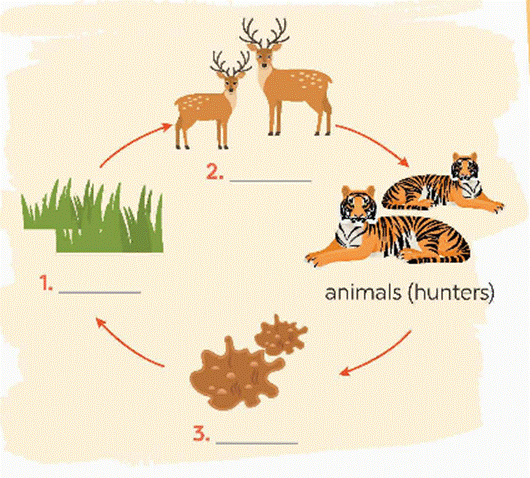
Answer:
1. plants
2. animals (Preys)
3. droppings
SPEAKING
4. Work in pairs. Discuss the threats to plants and animals and how we can protect them. You can use the ideas from the reading or your own ideas.
Threats | Actions |
- habitat loss ….. | - building nature reserves …… |
Answer:
Threats | Actions |
- habitat loss - pollution - Overhunting
| - building nature reserves - promote clean energy sources - Strengthening wildlife protection laws + Raising awareness |
5. Report the results of your discussion to the class.
Example:
There are many threats to plants and animals. First, they face habitat loss....
We can do several things to preserve their habitat. We should...
Answer:
There are many threats to plants and animals. First, they face habitat loss due to urbanization, agriculture, and deforestation. We can build nature reserves to preserve their habitats and maintain biodiversity.
Second, pollution from industries, vehicles, and agriculture contaminates the air, water, and soil, harming plants and animals. To combat this, we should implement stricter pollution control laws and promote clean energy sources like wind and solar power.
Thirdly, overhunting and poaching threaten many animal species with extinction. Strengthening wildlife protection laws and raising awareness about the importance of conservation can help reduce illegal hunting activities.
SKILL 2
LISTENING
1. Look at the pictures and answer the questions below.
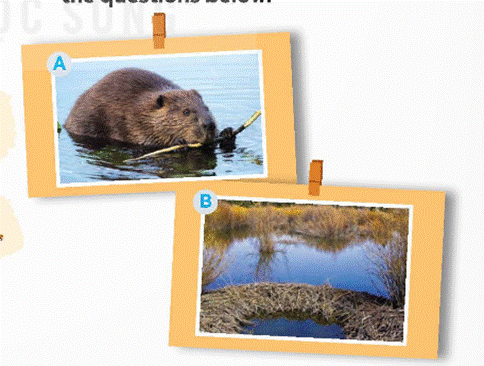
1. Which animal do you see in picture A?
2. What is it doing in picture A?
3. What do you see in picture B?
Answer:
1. The animal which I see in picture A is Castor (hải ly)
2. The Castor is carrying a stick
3. In picture B, I see the things like the house of the Castor
2. Listen to a conversation and choose the correct answer A, B, or C.
1. Mr An is talking about ________
A. effects of the habitats on plants and animals
B. the effects of habitat loss
C. effects of plants and animals on the habitats
2. What did Mr An suggest humans should do?
A. Bring plants and animals from one place to another.
B. Preserve habitats.
C. Use pesticides.
Answer:
1 – C ; 2 – B
3. Listen again and fill in each blank in the summary with ONE word.
Effects from plants | They help or (1)______ the environment. They make a place more beautiful. They (2) ______ over the resources of local plants.
|
Effects from animals | - They can cause harm to or (3)______ a habitat - Beavers can build clams and ponds, which helps some plants and animals. - Beavers may (4) _____ the homes of other plants and animals |
We should | - (5)_____ habitats - stop destroying forest habitats - stop using (6) _______ |
Answer:
(1) harm
(2) take
(3) improve
(4) flood
(5) Preserve
(6) pesticides
WRITING
4. Work in pairs. Ask and answer the questions below
1. What is the main topic of Mr An's talk?
2. How do plants affect their habitats?
3. How do animals affect their habitats?
4. What should humans do?
Answer:
1. It is about effects of plants and animals on the habitats.
2. Plants can help or harm their environment. For example, when someone brings a plant to a new place, the plant can make the area more beautiful but that plant can also grow so fast that it takes over the resources of local plants. And these local plants may die out.
3. Animals can cause harm to or improve a habitat. For example, beavers build dams and ponds and this helps plants and animals which need water. However, these dams may flood the homes of other plants and animals.
4. Humans should preserve habitats by not bringing plants and animals from different places.
5. Write a summary (100-120 words) of the main points of the conversation.
Use the information in 3 and answers in 4.
You can start the summary as follows:
Answer:
Mr An talked about the effects of plants and animals on their habitats and the things people should do. Firstly, plants help or harm the environment. Plants can make places more beautiful, but they can harm the environment by taking over the natural resources of local plants. He also said that animals can harm or improve the environment as well. He gave an example of beavers. Beavers can build dams and ponds which helps some plants and animals. But they can cause flood to the homes of other plants and animals. He concluded that humans should preserve habitats, stop destroying the habitats of many species, and stop using pesticides.
LOOKING BACK
VOCABULARY
1. Fill in the table with words and phrases about habitat
Types of habitats | Things in a habitat |
poles | flora and fauna |
Answer:
Types of habitats | Things in a habitat |
poles | flora and fauna |
Forests | flora and fauna |
Oceans | Fish, coral reefs, marine mammals |
Deserts | Cacti, reptiles, sand dunes |
Mountains | flora and fauna |
2. Complete the passage, using the words and phrases in the box
nature reserves habitat loss ecological balance food chain climate change |
Earth's habitats are various and many are threatened. Each habitat includes living things, non-living things, and the surrounding environment. The relations of all living things and their environment in a habitat make up the habitat's ecology. (1) ______or changes in population of plants and animals can cause changes to the natural (2)_____ and the ecology. That means to maintain a(n) (3).________,we shouldn't cause changes to the climate and the plants and animals of any habitat. In many countries, people have built (4)_________ to keep endangered plants and animals safe. People should also avoid activities that may cause pollution and (5)_______.
Answer:
1. habitat loss
2. food chain
3. ecological balance
4. nature reserves
5. climate change
Earth's habitats are various and many are threatened. Each habitat includes living things, non-living things, and the surrounding environment. The relations of all living things and their environment in a habitat make up the habitat's ecology. (1) Habitat loss or changes in population of plants and animals can cause changes to the natural (2) food chain and the ecology. That means to maintain a(n) (3) ecological balance, we shouldn't cause changes to the climate and the plants and animals of any habitat. In many countries, people have built (4) nature reserves to keep endangered plants and animals safe. People should also avoid activities that may cause pollution and (5) climate change.
GRAMMAR
3. Complete each sentence (1-5) with a non-defining relative clause (A - E).
A. who is considered the God of Thunder B. which are large and extremely dry areas C. whose work in geology is considered very important D. which is the oldest national park in Viet Nam E. which attract many tourists worldwide |
1. The Alps are a well-known mountain range,__________.
2. Deserts on Earth,_______, hardly get any rain.
3. People used to believe that Thor, ________, causes storms and lightning.
4. We spent time trekking, bird-watching, and kayaking in Cuc Phuong,______
5. James Hutton,________, was one of the first scientists to study geology.
Answer:
1. E - The Alps are a well-known mountain range, which attracts many tourists worldwide.
2. B - Deserts on Earth, which are large and extremely dry areas, hardly get any rain.
3. A - People used to believe that Thor, who is considered the God of Thunder, causes storms and lightning.
4. D - We spent time trekking, bird-watching, and kayaking in Cuc Phuong, which is the oldest national park in Viet Nam.
5. C - James Hutton, whose work in geology is considered very important, was one of the first scientists to study geology.
4. Combine the two sentences into one, using a non-defining relative clause.
1. Boreal forests cover vast areas in Canada, Alaska, and Russia. They are also called Taiga.
=>
2. Polar bears are endangered animals. Their natural habitat is the Arctic.
=>
3. Julie Arblaster focuses on studying climate change. She is an Australian scientist.
=>
4. Antarctica is Earth's least populated continent. It is surrounded by the Southern Ocean.
=>
5. The natural world is the world of living things. Living things include plants and animals.
=>
Answer:
1. Boreal forests cover vast areas in Canada, Alaska, and Russia. They are also called Taiga.
=> Boreal forests, which cover vát areas in Canada, Alaska, and Russia, are also called Taiga.
2. Polar bears are endangered animals. Their natural habitat is the Arctic.
=> Polar bears, whose natural habitats is the Arctic, are endangered animals
3. Julie Arblaster focuses on studying climate change. She is an Australian scientist.
=>Julie Arblaster, who is an Australian scientist, focuses in studying climate change
4. Antarctica is Earth's least populated continent. It is surrounded by the Southern Ocean.
=> Antarctica, which is Earth’s least populated continent, is surrounded by the Southern Ocean.
5. The natural world is the world of living things. Living things include plants and animals.
=> The natural world, which is the world of living things. includes plants and animals
PROJECT
Our flora and fauna
Work in groups
1. Choose an area you know/like
Answer:
Amazon Forest
2. Collect pictures of some flora and/ or fauna in that area.
Answer:
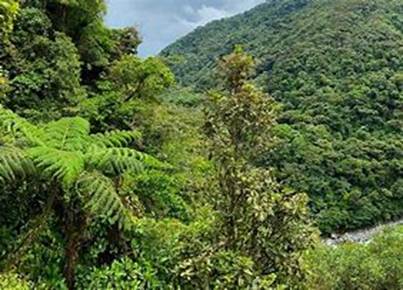
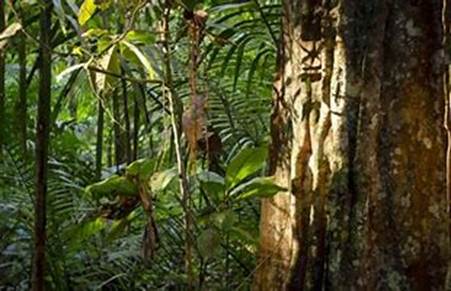
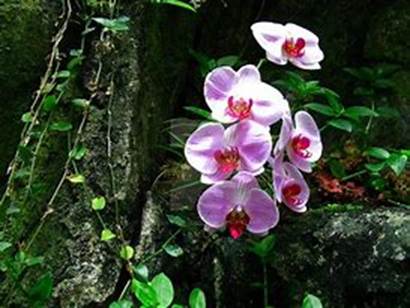
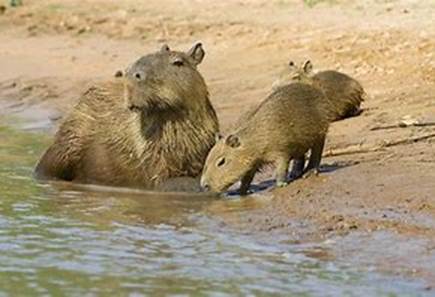
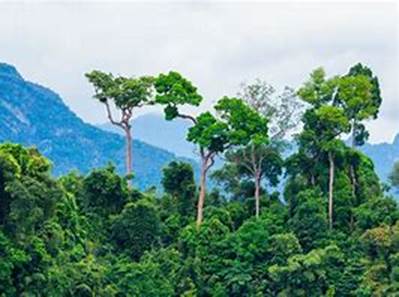
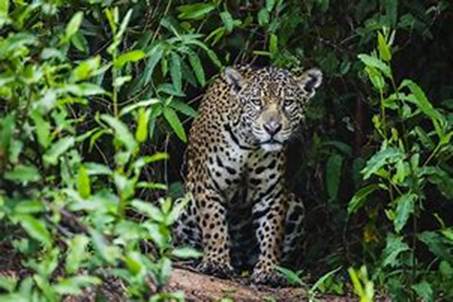
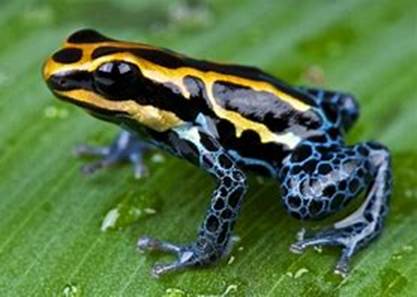
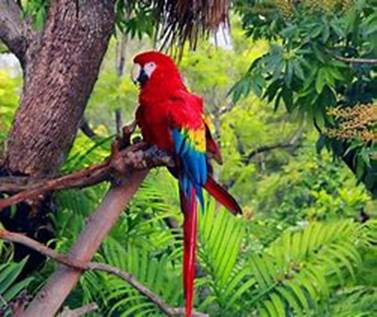
3. Create a poster.
Answer:
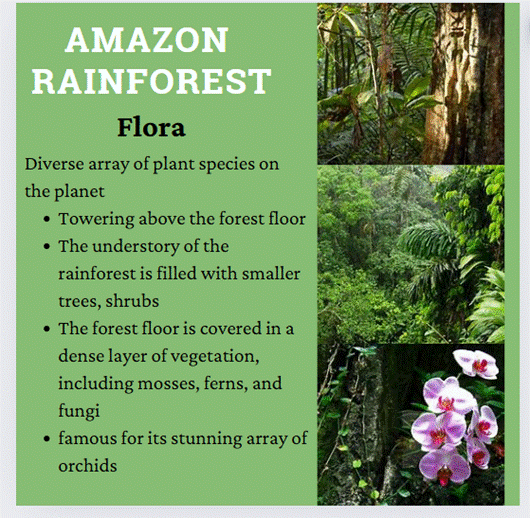
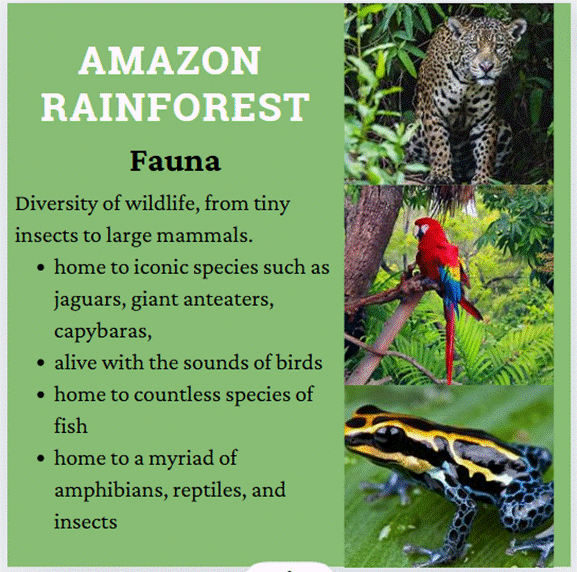
4. Introduce the area’s flora and fauna to the class
Answer:
Good morning, everyone! Today, I'm excited to introduce you to the incredible flora and fauna of the Amazon rainforest, also known as the "Lungs of the Earth."
The Amazon rainforest is home to the most diverse array of plant species on the planet, with millions of different plants, including trees, vines, shrubs, and flowers. Towering above the forest floor are the majestic canopy trees, such as the towering Brazil nut tree, and the towering mahogany. These trees provide habitat and food for countless other organisms in the forest. The understory of the rainforest is filled with smaller trees, shrubs, and ferns, while the forest floor is covered in a dense layer of vegetation, including mosses, ferns, and fungi. The Amazon rainforest is also famous for its stunning array of orchids, bromeliads, and other epiphytic plants that grow on tree branches.
Now, let's move on to the fauna, or animal life, of the Amazon rainforest. The Amazon is teeming with an incredible diversity of wildlife, from tiny insects to large mammals. It is home to iconic species such as jaguars, giant anteaters, capybaras, . The rainforest canopy is alive with the sounds of birds, including colorful parrots, toucans,...... The rivers and streams of the Amazon are home to countless species of fish, including the infamous piranhas and the giant arapaima. The rainforest floor is also home to a myriad of amphibians, reptiles, and insects, including poison dart frogs, anacondas,...
Overall, the Amazon rainforest is one of the most biodiverse ecosystems on the planet, supporting an incredible array of plant and animal life. It plays a crucial role in regulating the Earth's climate, providing oxygen, and preserving biodiversity.
Tài liệu cùng môn học
Tài liệu khác
- Trắc nghiệm tiếng anh 2 Family and Friends
- Trắc nghiệm tiếng anh 2 Explore our world
- Trắc nghiệm tiếng anh 3 Family and Friends
- Trắc nghiệm tiếng anh 3 Explore our world
- Trắc nghiệm tiếng anh 4 Family and Friends
- Trắc nghiệm tiếng anh 4 Global Success
- Trắc nghiệm tiếng anh 4 Explore our world
- Trắc nghiệm tiếng anh 5 Family and Friends
- => Xem nhiều môn hơn