Giải tiếng anh 11 Friends Global: Unit 1C Family tensions
Hướng dẫn giải tiếng anh 11 Friends Global: Giải Unit 1C Family tensions. Bài được giải chi tiết, rõ ràng, dễ hiểu. Bài giải giúp học sinh nắm vững kiến thức trong sách giáo khoa, rèn kĩ năng giải bài tập và có phương pháp học tập hiệu quả.
Nội dung chi tiết
Listening
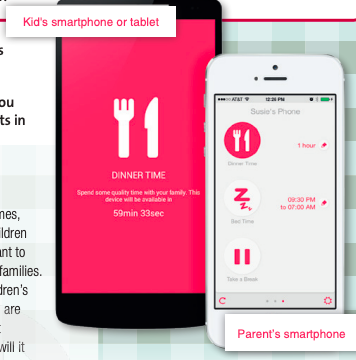
1. SPEAKING Work in pairs. Look at the photo. What do you think this app does? Why might some people need it?
(Làm việc theo cặp. Nhìn vào bức hình. Bạn nghĩ ứng dụng này làm gì? Tại sao một số người có thể cần nó?)
Answer:
The app may offer features such as setting screen-free meal times, sending reminders to put away devices during meals, and tracking progress over time. It could also provide tips and resources for establishing healthy tech habits and improving communication with loved ones.
Some people might need this app because they may find it challenging to disconnect from their devices during mealtime, leading to reduced engagement and communication with those around them. The app may be particularly helpful for families with children or individuals looking to improve their overall well-being by reducing their screen time and increasing their social connections.
2. SPEAKING. Read the text and check your answer to exercise 1. Do you think the app would increase or decrease the number of arguments in your family? Why?
(Đọc văn bản và kiểm tra câu trả lời của bạn cho bài tập 1. Bạn nghĩ ứng dụng này sẽ làm tăng hay giảm số lần cãi vã trong gia đình bạn? Tại sao?)
Tablets for dinner?
An evening meal for all the family was once part of everyday life in British homes, but this tradition has almost disappeared. Some people blame technology: children and teenagers are so addicted to their phones and tablets that they do not want to stop playing with them, even at mealtimes. This causes a lot of arguments in families. But now, paren†s can get a free app called DinnerTime, which locks their children's devices at certain times of the day and night. During those times, the children are unable †o access messages, games, or the internet. In theory, this means that parents and children can spend more time together, eating and chatting. But will it lead to happier families or more family arguments?
Answer:
The "Tablets for Dinner" app, or the DinnerTime app as mentioned in your example, could potentially decrease the number of arguments in a family. By setting screen-free meal times and limiting access to devices during meals, the app could encourage more face-to-face interaction and communication among family members.
However, it is important to note that the app alone may not be enough to resolve all conflicts or improve family relationships. The app may need to be used in conjunction with other strategies, such as open communication, setting clear boundaries and expectations, and finding alternative activities to engage in as a family.
Overall, the success of the app in reducing arguments and promoting family harmony would likely depend on how it is implemented and integrated into the family's routine, as well as the willingness of all family members to participate and engage in meaningful interactions during mealtime.
3. VOCABULARY Work in pairs. Check the meaning of the adjectives below. Which describe a positive attitude? Which describe a negative attitude?
(Làm việc theo cặp. Kiểm tra ý nghĩa của các tính từ dưới đây. Điều gì mô tả một thái độ tích cực? Mà mô tả một thái độ tiêu cực?)
Attitude (adjectives)
accusing aggressive arrogant bitter calm complimentary enthusiastic
grateful miserable nostalgic optimistic pessimistic
sarcastic sympathetic urgent
Listening Strategy
Sometimes, the words alone do not fully express the speakers intention. You need to pay attention to the tone ofvoice as well. For example, an urgent tone of voice suggests that the speaker is giving a warning.
Answer:
Positive attitude:
Calm: remaining peaceful and composed
Complimentary: expressing praise or admiration
Enthusiastic: showing excitement or passion
Grateful: feeling or expressing thanks or appreciation
Nostalgic: feeling sentimental or wistful about the past
Optimistic: having a positive outlook on a situation or future outcome
Sympathetic: showing understanding or compassion for another's situation
Urgent: conveying a sense of importance or necessity
Negative attitude:
Accusing: blaming or fault-finding
Aggressive: hostile or confrontational
Arrogant: having an inflated sense of self-importance
Bitter: resentful or unhappy due to a perceived injustice or disappointment
Miserable: very unhappy or uncomfortable
Pessimistic: having a negative or gloomy outlook on a situation or future outcome
Sarcastic: using irony or mockery to convey contempt or ridicule
4. Read the Listening Strategy. Then listen and underline the adjective which best matches the speaker’s attitude. Use their tone of voice to help you.
(Đọc Chiến lược nghe. Sau đó lắng nghe và gạch dưới tính từ phù hợp nhất với thái độ của người nói. Sử dụng giọng điệu của họ để giúp bạn)
1. arrogant / pessimistic /confident
2. aggressive / miserable / sarcastic
3. calm / complimentary / optimistic
4. accusing / enthusiastic / sympathetic
Answer:
HS tự thực hiện.
5. SPEAKING Listen and compare two different ways of saying the sentences. Then, in pairs, say a sentence in one of the two ways. Can your partner guess the adjective?
(Nghe và so sánh hai cách nói khác nhau của câu. Sau đó, theo cặp, nói một câu theo một trong hai cách. Đối tác của bạn có thể đoán tính từ không?)
1. “Thanks, Andy. That's really helpful. (first grateful, then sarcastic)
2. “Our train leaves in ten minutes. (first calm, then urgent)
3. “You and your sister always argued during dinner. (first nostalgic, then accusing)
Answer:
HS tự thực hiện.
6. Work in pairs. Listen to four speakers and decide which speaker sounds:
(Làm việc theo cặp. Nghe bốn loa và quyết định loa nào phát ra âm thanh)
a. urgent c. enthusiastic
b. calm d. arrogant
Answer:
HS tự thực hiện.
7. Listen again. Match sentences A—E with speakers 1—4. Use the tone of voice to help you. There is one extra sentence.
(Lắng nghe một lần nữa. Ghép câu A—E với người nói 1—4. Sử dụng giọng điệu để giúp bạn. Có một câu phụ)
A. The speaker is giving advice about winning family arguments.
B. We learn how a bad argument had a positive result for the speaker.
C. The speaker is advertising a course for families who want to argue less.
D. The speaker is persuading somebody to attend a family reunion.
E. The speaker describes how a relative lost his job because of a family argument.
Answer:
HS tự thực hiện.
8. SPEAKING Work in pairs. Decide which of these topics is most likely to cause arguments in your family and why. Are there any others you can think of? Compare your ideas with the class.
(Làm việc theo cặp. Quyết định chủ đề nào trong số những chủ đề này có nhiều khả năng gây ra tranh cãi trong gia đình bạn nhất và tại sao. Có bất kỳ người khác bạn có thể nghĩ về? So sánh ý tưởng của bạn với lớp học)
Doing chores
Staying out late
Sharing a family computer
Too much time spent on social media and games
What to eat
Answer:
As a high school student, I think the topic most likely to cause arguments in my family would be staying out late. My parents have certain expectations around curfew and safety concerns, and sometimes I have different plans or reasons for wanting to stay out later. This can lead to disagreements and arguments.
Another topic that could cause arguments in my family would be too much time spent on social media and games. My parents are concerned about the impact these platforms can have on my mental health and productivity, while I might feel that I need to stay connected with friends or need a break from schoolwork.
Sharing a family computer could also cause arguments if there is a lack of agreement or communication about how to share it fairly. Sometimes my younger siblings might want to use the computer while I am working on homework, and this can lead to frustration on both sides.
Finally, what to eat could also cause arguments if there are different dietary restrictions or preferences in my family. My parents are vegetarian, while I sometimes crave meat, and my siblings might have other preferences or restrictions. This can lead to disagreements about meal planning and compromise.
Other topics that could cause arguments in families could include money and finances, parenting styles, sibling rivalries, or differing political or religious beliefs.
Tài liệu cùng môn học
Tài liệu khác
- Trắc nghiệm tiếng anh 2 Family and Friends
- Trắc nghiệm tiếng anh 2 Explore our world
- Trắc nghiệm tiếng anh 3 Family and Friends
- Trắc nghiệm tiếng anh 3 Explore our world
- Trắc nghiệm tiếng anh 4 Family and Friends
- Trắc nghiệm tiếng anh 4 Global Success
- Trắc nghiệm tiếng anh 4 Explore our world
- Trắc nghiệm tiếng anh 5 Family and Friends
- => Xem nhiều môn hơn